1 May 2026
Winter Diet Tips for North India
North Indian winters are made for food — sarson da saag, gajar ka halwa, peanut chikki and endless cups of chai. The challenge is enjoying the season without the weight creeping up by spring. The good news is that the traditional winter kitchen is full of genuinely healthy foods; it is mostly the ghee, sugar and portion sizes that need a watchful eye.
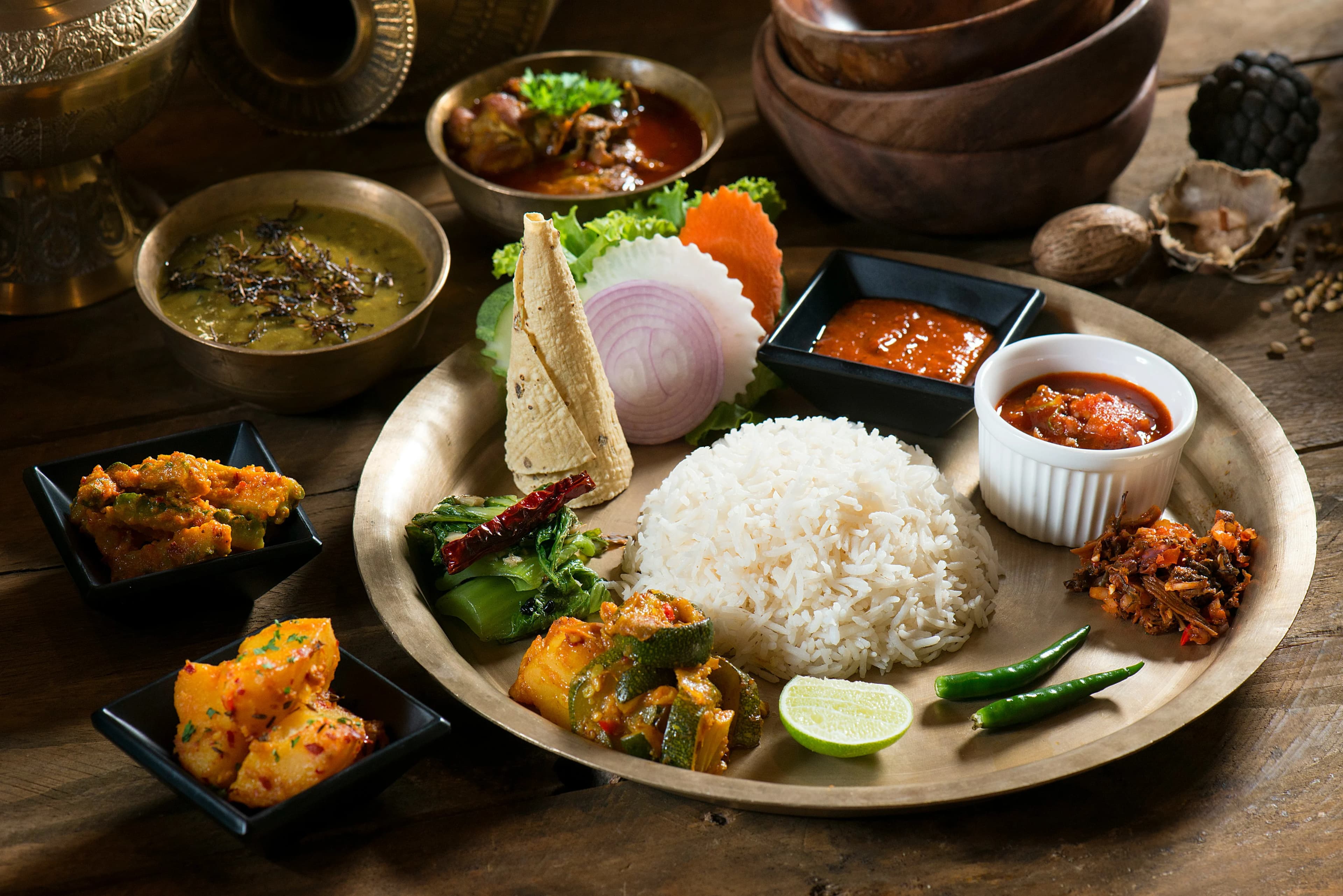
Start with the season's vegetables. Methi, bathua, sarson, carrots, radish, spinach and fresh peas are at their cheapest and most nutritious right now. A katori of sarson da saag with a bajra or makki roti gives you fibre, iron and warmth for a fraction of the calories of fried snacks. Cook your saag with just a teaspoon of ghee rather than a ladle, and the dish stays light.
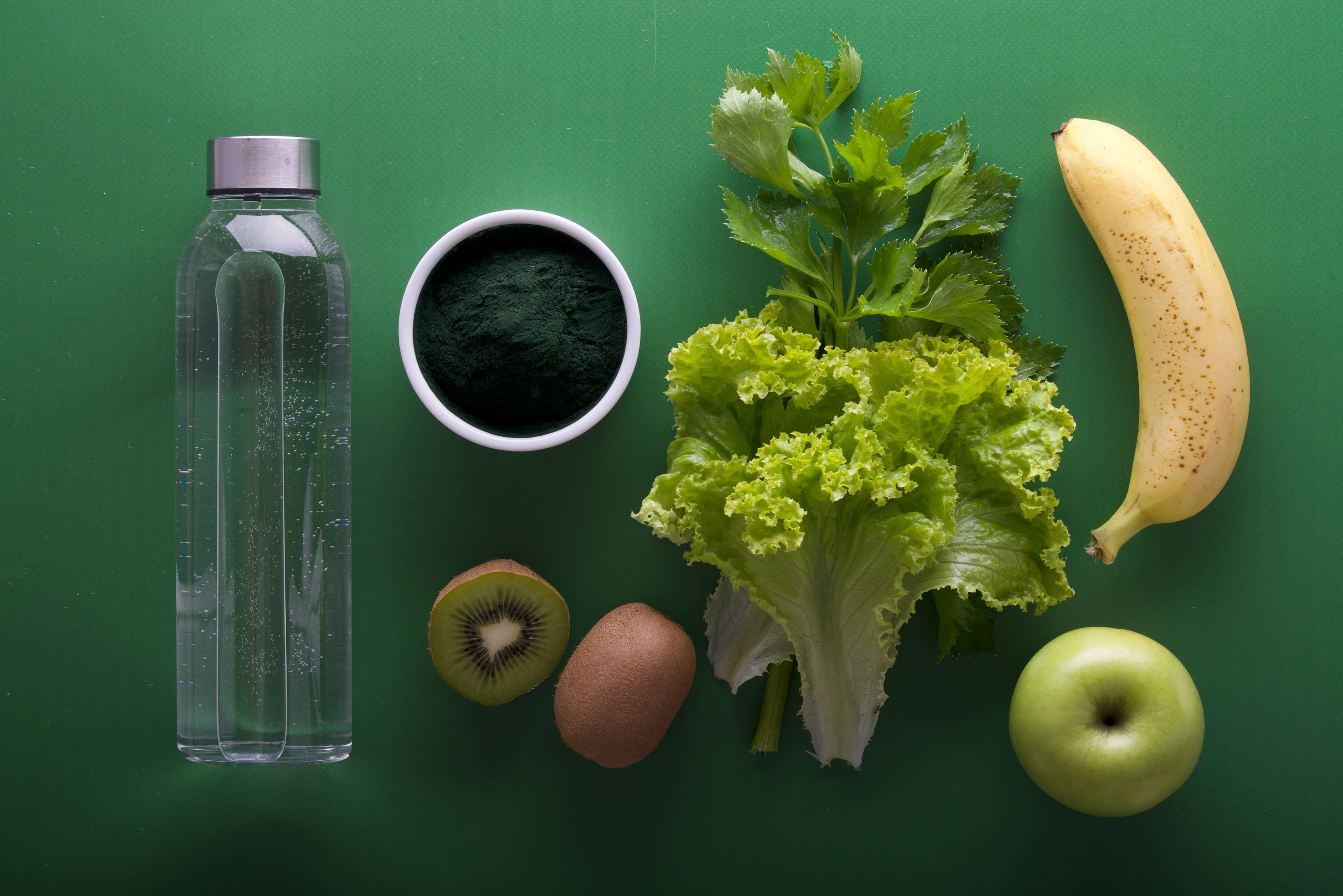
Winter is also the easiest time to stay hydrated through warm fluids. Jeera water, ajwain water, tulsi and ginger teas, and clear vegetable soups all count toward your daily fluids and curb the urge to snack. Keep a thermos of warm water at your desk; thirst is often mistaken for hunger in cold weather.
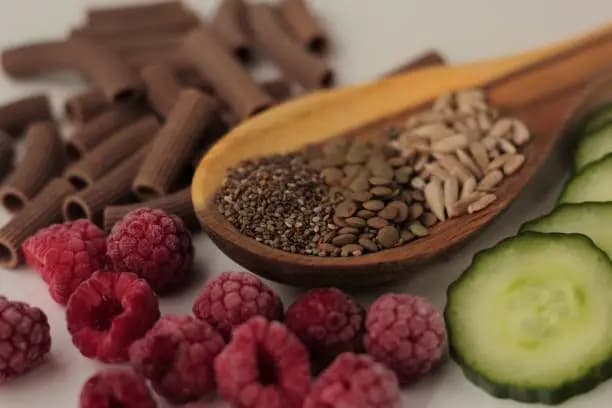
Nuts and seeds deserve a place on your plate, but in measured amounts. A small fistful of soaked almonds, two walnuts and a tablespoon of roasted peanuts or til chikki provide healthy fats and keep skin from drying out. The trouble starts when the chikki tin lives on the dining table all day — keep it in the cupboard and portion it out.
Finally, do not let the cold become an excuse to stop moving. A brisk 30-minute walk in the afternoon sun also helps your vitamin D levels, which dip for most North Indians in winter. Pair sensible portions with daily movement and you can enjoy every seasonal treat in moderation while staying on track.