1 May 2026
Managing Diabetes with Everyday Punjabi Food
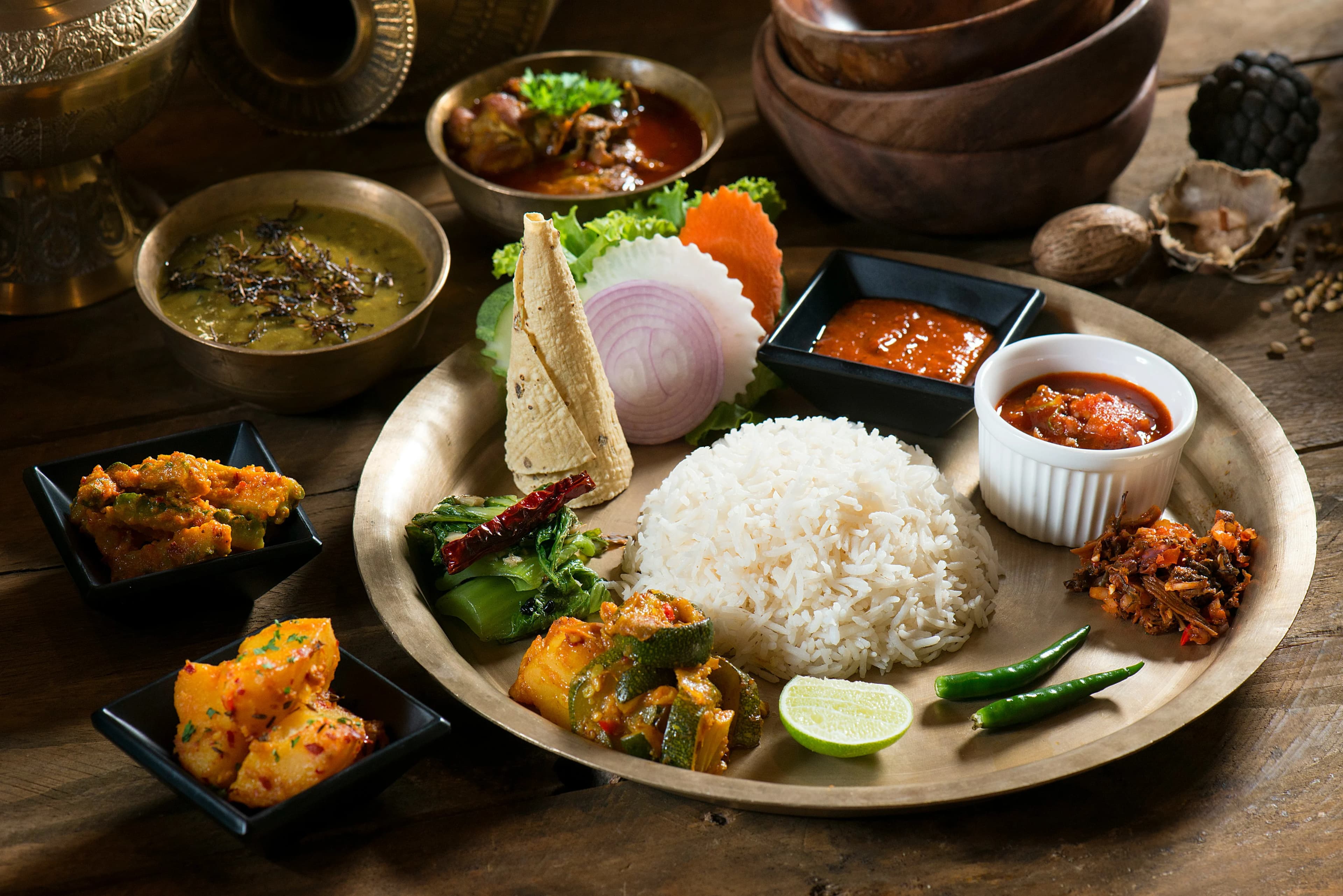
A diabetes diagnosis often comes with a fear that all your favourite foods are now off-limits. In reality, the everyday Punjabi thali can be adapted into an excellent blood-sugar-friendly plan with a few simple shifts. The goal is to slow down how quickly carbohydrates turn into glucose, and that is achieved through fibre, protein and portion control rather than expensive substitutes.
Begin with the roti. Swapping some of your wheat rotis for bajra, jowar or a missi roti made with besan and methi lowers the glycaemic load of the meal. Pair every two rotis with a generous katori of dal or a bowl of sprouts so that protein and fibre blunt the sugar spike. A plate of salad before the meal slows digestion further and fills you up.
Be mindful of the "hidden" carbohydrates. White rice, potatoes, and sugary chai add up quickly. Switch to a small katori of brown rice, replace the second cup of sweet tea with green tea or jeera water, and keep fruit to whole portions like a guava or apple rather than juices, which flood the bloodstream with sugar.
Timing matters as much as content. Eating at regular intervals — a light breakfast, a mid-morning snack of buttermilk and roasted chana, lunch, an evening snack, and an early dinner — prevents the long gaps that lead to overeating and erratic readings. Try to finish dinner by 8 pm and take a 10-minute walk afterward; even a gentle stroll helps muscles soak up glucose.
None of this requires giving up Punjabi food. It means cooking it a little lighter, balancing every plate, and watching portions. Work with your nutritionist to monitor your numbers, and you will find that good control and good food can absolutely sit on the same thali.